Fiber Optic Polishing Equipment & Supplies
Shop fiber optic polishing machines, film, fixtures, kits, pads and consumables for connector termination and production. Use the filters below to find the equipment or supplies required for your polishing process.
Shop Fiber Optic Polishing Machines, Film & Tools
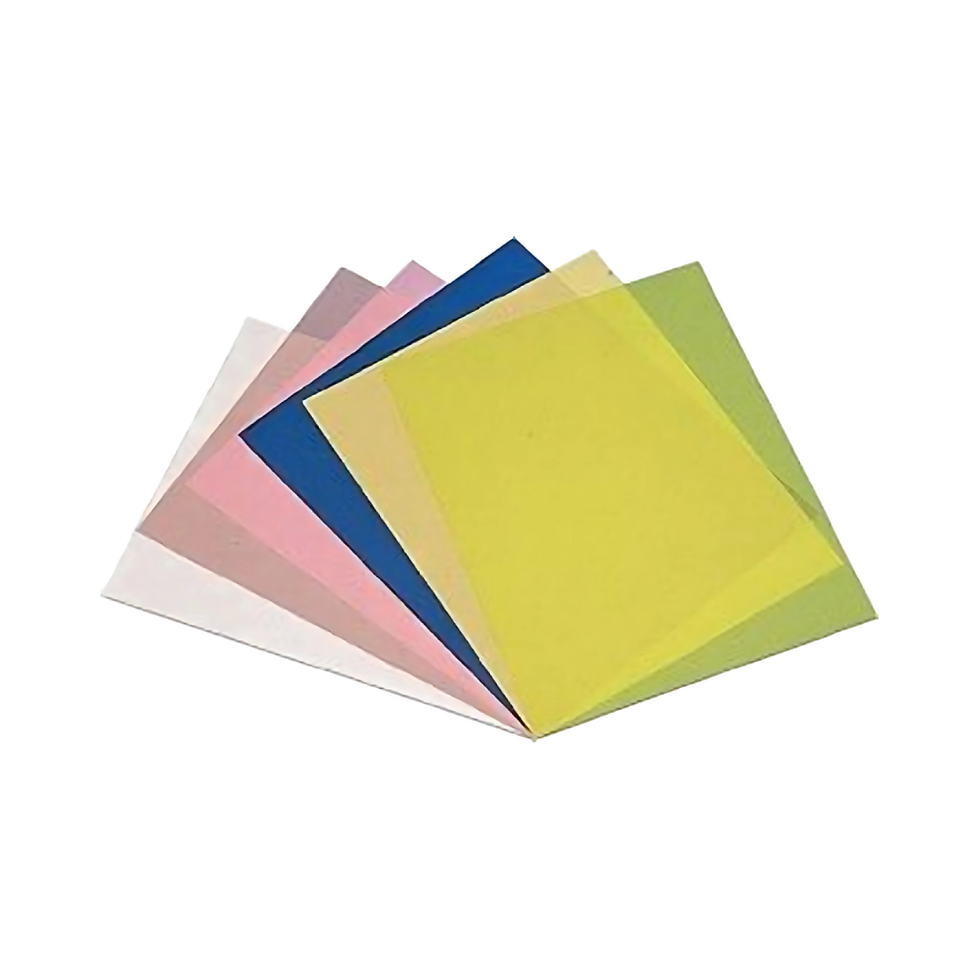


Fiber Optic Polishing for Connector Termination
Fiber optic polishing is an important part of connector termination and cable assembly production. The process removes excess epoxy and controlled amounts of ferrule material while producing the required connector end-face finish and geometry.
A complete polishing process may require a fiber optic polishing machine, connector fixture, abrasive film, polishing pad, plate, slurry and cleaning supplies. The correct combination depends on the connector design, ferrule material, polish type, equipment and required process result.
Precision Fiber Products offers fiber optic polishing equipment and supplies for engineering, laboratory and production environments. The collection includes machines, fixtures, polishing kits, films, rubber pads, plates, slurry and related process materials.
Selecting compatible equipment and consumables can help improve process consistency, reduce avoidable rework and support repeatable connector finishing.
Fiber Optic Polishing Machines and Systems
A fiber optic polishing machine controls the movement used to finish connector ferrules and optical fiber end faces. Depending on the equipment, the process may support one or multiple connectors and may use manual, programmable or automated operating controls.
Production requirements should determine the appropriate machine. Consider the connector types, polishing capacity, fixture compatibility, pressure control, process time, film dimensions and expected production volume.
A portable fiber optic polisher may be useful for field work, repair or lower-volume applications. Benchtop and automated polishing systems are generally more appropriate when repeatability, process control and multiple-connector capacity are important.
Before purchasing a machine, verify that compatible polishing fixtures, pads, plates and consumables are available for the intended connector.
Fiber Optic Connector Polishing Machines
Fiber optic connector polishing machines are used for finishing terminated connectors and ferrules. Different machines support different fixture designs, connector capacities and polishing motions.
Review the individual product specifications before selecting equipment. A machine should not be chosen only by price or maximum connector capacity; it must also support the fixtures, polishing films and process requirements used in production.
Fiber Optic Polishing Kits
A fiber optic polishing kit may combine several materials required for process development, connector finishing or repair. Depending on the kit, it may include polishing film, pads, plates, cleaning supplies or other process components.
Review the contents carefully because no single kit is appropriate for every ferrule material, connector style or polishing sequence.
Diamond Polishing Film and Diamond Lapping Film
Diamond polishing film uses diamond abrasive particles for controlled material removal and precision finishing. Diamond lapping film is available in multiple micron sizes, shapes and backing configurations for different polishing stages.
Choose the micron size according to the approved process rather than using one diamond film for every step. More aggressive films remove material faster, while finer films are used as the connector approaches its required final geometry and surface condition.
PFP offers diamond polishing film in several round and sheet formats. Available sizes, micron options and package quantities vary by product.
Aluminum Oxide Polishing Film
Aluminum oxide polishing film is used in selected fiber optic connector polishing and epoxy-removal processes. It is available in multiple sizes, formats and micron grades.
Before selecting aluminum oxide film, confirm its compatibility with the ferrule material and the intended polishing step. Also verify whether the process requires PSA or non-PSA film.
Silicon Carbide Polishing Film
Silicon carbide polishing film provides an aggressive abrasive option for selected material-removal stages. Its suitability depends on the ferrule material, connector design and approved polishing sequence.
Because different abrasive materials remove glass and ferrule materials at different rates, silicon carbide film should only be used where specified by the polishing process.
Final Polishing Film
Final polishing film is used during the finishing stage of the connector polishing process. Its purpose is to refine the end-face finish after the required material-removal and geometry-forming steps have been completed.
Final film is not a replacement for earlier polishing stages. The connector should enter the final-polish step with the appropriate geometry and surface condition established by the preceding process.
Cerium Oxide Polishing Products
Cerium oxide polishing products are available as film or slurry for selected final-polishing and material-finishing applications. Product form, particle size and machine compatibility should be verified before use.
Follow the documented polishing procedure for the connector and equipment rather than substituting cerium oxide products solely because they are described as final-polishing materials.
Polishing Fixtures, Pucks, Pads and Plates
Polishing equipment must hold the connector or ferrule securely and maintain the required position throughout the process. Fixtures, pucks, pads and plates each perform a different function and must be compatible with the selected machine and connector.
Fiber Optic Polishing Fixtures
A fiber optic polishing fixture holds one or multiple connectors during a machine-polishing process. Fixture selection depends on the polishing machine, connector type, ferrule diameter, polish geometry and number of positions.
APC and UPC processes may require different fixture geometry. An LC/APC polishing fixture, for example, should only be used with the connector and machine configuration specified for that fixture.
Do not assume that fixtures are interchangeable between different machines or connector families.
Fiber Optic Polishing Pucks and Discs
A fiber optic polishing puck or disc holds an individual connector or ferrule during manual polishing. The puck helps maintain the required position and angle against the polishing film.
Choose the puck according to connector style, ferrule size and polish type. FC, LC, SC, ST, SMA, MT and MPO applications may require different holding features and polishing geometry.
Rubber Polishing Pads
A rubber polishing pad supports the film and affects how pressure is transferred to the connector during polishing. Pad hardness, thickness, diameter and surface condition can influence process results.
Select the durometer and thickness specified for the machine, connector and polishing sequence. A softer or harder pad should not be substituted without evaluating its effect on connector geometry.
Inspect pads regularly for wear, contamination or surface damage and replace them when they can no longer provide consistent support.
Glass Polishing Plates
A glass polishing plate provides a flat supporting surface for manual polishing film, pads or sheets. The plate should remain clean, stable and free from chips, scratches or contamination that could affect the polishing process.
Confirm that the plate dimensions are appropriate for the selected film and working method.
How to Choose Fiber Optic Polishing Equipment and Supplies
Consider the following before selecting products for a polishing process:
-
Connector type and ferrule diameter
-
PC, UPC or APC polish geometry
-
Ferrule material
-
Manual, portable or machine polishing
-
Machine and fixture compatibility
-
Number of connectors polished per cycle
-
Film material and micron size
-
Film dimensions and shape
-
PSA or non-PSA backing
-
Polishing pad thickness and durometer
-
Plate dimensions
-
Required cleaning between polishing stages
-
Inspection and testing requirements
-
Production volume and process repeatability
The polishing machine, fixture and consumables should be treated as one process. Changing the film, pad, pressure, time or fixture can affect the resulting connector end face.
For engineering development, document each process step so that the selected machine settings and consumables can be repeated during production.
Fiber Optic Connector Polishing Applications
Fiber optic polishing equipment and supplies may be used in:
-
Fiber optic connector termination
-
Cable assembly manufacturing
-
Connector repair and rework
-
Engineering process development
-
Production process validation
-
Telecom and data communication assemblies
-
Laboratory and optical testing applications
-
Medical and industrial fiber assemblies
-
Singlemode and multimode connector production
-
PC, UPC and APC polishing processes
-
MT and MPO connector preparation
Product compatibility must be confirmed for each application. A polishing product appropriate for one connector or ferrule material may not be suitable for another.
Fiber Optic Polishing FAQ
The required equipment depends on the connector and production process. A typical setup may include a fiber optic polishing machine or manual puck, connector fixture, polishing film, pad, plate, cleaning supplies and inspection equipment.
Consider the connector types, fixture compatibility, number of polishing positions, process controls, film size and production volume. Confirm that compatible fixtures and consumables are available before selecting the machine.
The terms are frequently used for abrasive films that remove controlled amounts of material during polishing. Product selection should be based on abrasive material, micron size, backing, dimensions and the polishing step for which the film was designed.
Diamond polishing film is used for controlled material removal and precision finishing during selected stages of fiber optic connector polishing. The appropriate micron size depends on the ferrule material, required surface condition and approved process sequence.
Match the fixture to the polishing machine, connector type, ferrule size, polish geometry and required capacity. Verify whether the fixture is designed for PC, UPC or APC polishing and confirm that it is mechanically compatible with the machine.
Use the pad durometer specified by the equipment or polishing-process instructions. Pad hardness affects pressure distribution and connector geometry, so changing durometer without process evaluation can change polishing results.
No single film is appropriate for every stage. Connector polishing generally uses a sequence of abrasive materials or micron sizes, progressing from material removal to geometry formation and final finishing. Follow the approved process for the connector and ferrule material.
Find the Right Products for Your Fiber Polishing Process
Use the filters above to compare fiber optic polishing machines, film, fixtures, kits, pads and related supplies. Contact Precision Fiber Products for help identifying compatible equipment and consumables for your connector, machine and production requirements.