Fiber Optic Hand Tools
Shop professional fiber optic hand tools for cable preparation and connector termination. Browse crimping, stripping, cutting and scribing tools for telecom, OEM cable assembly, production and field applications.
Shop Fiber Optic Tools by Category


Featured Fiber Optic Hand Tools




Professional Fiber Optic Cable Tools for Preparation and Termination
Reliable fiber connector assembly begins with tools that match the cable construction, coating dimensions, connector type and termination process. Precision Fiber Products offers fiber optic cable tools for the preparation and termination steps used in telecom networks, OEM cable assembly, production environments, laboratories and field service applications.
The collection is organized by function so buyers can quickly find crimping, stripping, cutting and scribing tools. These tools support the preparation of cable jackets, buffer coatings, aramid strength members and optical fiber for LC, SC, FC, ST, SMA, MT-RJ and other connector applications.
Selecting the correct hand tool helps technicians produce controlled cuts, consistent crimps and repeatable preparation results. It can also reduce damaged fibers, improperly secured connector hardware and unnecessary variation between assemblies.
Fiber Optic Crimping Tools and Connector Crimpers
Fiber optic crimping tools are used to secure connector crimp sleeves, collars and cable-retention components during assembly. The correct fiber optic crimper and die must match the connector family, crimp dimensions and hardware being installed.
PFP offers crimper handles and compatible dies for common fiber connector applications, including LC, SC, FC, ST, SMA and MT-RJ assemblies. Before choosing a connector crimper, verify the required crimp size and confirm that the handle and die are compatible.
Specialized ferrule or connector crimping applications may require dedicated tooling. Always identify the connector manufacturer, component dimensions and recommended crimp geometry before ordering a tool.
Fiber Optic Strippers and Cable Jacket Preparation
A fiber optic stripper must remove the intended jacket, buffer or coating without nicking or placing excessive stress on the optical fiber. Different preparation stages may require different tools depending on the cable construction and fiber dimensions.
A cable jacket stripper is used for removing an outer protective jacket, while precision fiber stripping tools may be designed for buffer coatings or coated optical fiber. Some cable designs may also require a buffer tube stripper, drop cable stripper, slitter or another specialized cable preparation tool.
Before selecting a stripping tool, confirm the cable diameter, jacket thickness, buffer size and coating dimensions. Using an opening that does not match the material can damage the fiber, leave coating residue or produce inconsistent preparation results.
Fiber Optic Cable Cutters, Kevlar Scissors and Shears
Fiber optic cable preparation may involve cutting the outer cable, buffer materials, ripcords and aramid strength members. A fiber optic cable cutter should provide a clean, controlled cut without crushing or unnecessarily deforming the cable.
Kevlar scissors and Kevlar shears are designed for cutting the strong aramid yarn commonly used in fiber optic cable construction. Micro-serrated blades help grip the fibers and reduce slipping compared with ordinary scissors.
A cable cutter is not the same as a fiber optic cleaver. Cable cutters and shears prepare the cable and its strength members, while a precision fiber cleaver creates a controlled glass end face for fusion splicing or other processes requiring a precise cleave.
Precision Fiber Optic Scribes
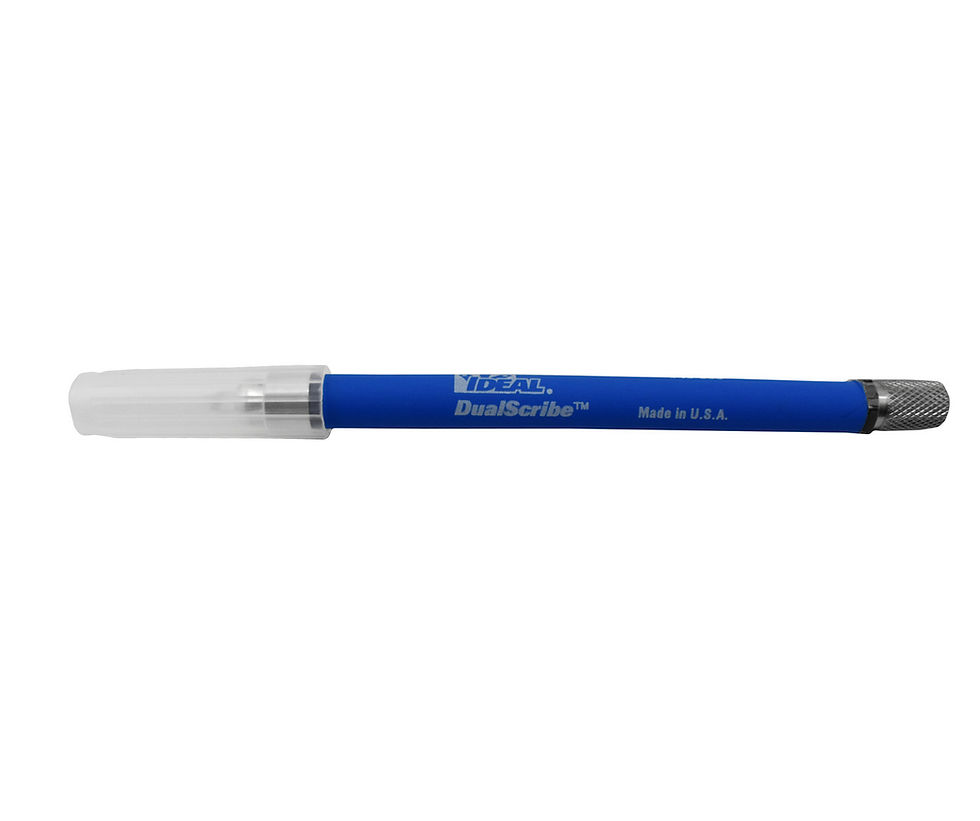
A fiber optic scribe is used to score optical fiber before a controlled break in connector termination and other preparation processes. Scribes may use carbide, sapphire or ruby tips, depending on the tool design and application.
The tool should produce a controlled score without crushing the fiber or creating unnecessary surface damage. The appropriate technique and scribe position depend on the connector process, fiber type and assembly procedure.
Choosing Fiber Termination Kits and Hand Tools
Fiber termination kits may combine several tools and supplies required for a particular connector or assembly process. Depending on the application, a kit may include a fiber optic stripper, cable cutter, Kevlar shears, connector crimper, compatible dies, scribe or cleaver, cleaning supplies and inspection equipment.
Processes using epoxy-and-polish connectors may also require epoxy tools, curing equipment, polishing films and a fiber optic polishing puck. Field-installable connectors, fusion splicing and factory cable assembly can require different combinations of equipment.
There is no single fiber optic tool kit that is correct for every cable and connector. Build or select a kit based on the connector family, cable construction, coating dimensions, termination method and required inspection procedure.
When additional equipment is required, link users to the relevant PFP categories for Splicing, Cleaning Supplies, Epoxy Systems, Polishing Systems and Test Equipment.
How to Select the Right Fiber Optic Tools
Consider the following before selecting tools for a fiber optic assembly or installation:
-
Cable construction: Determine whether the cable is simplex, duplex, ribbon, loose tube, tight buffered, armored or another design.
-
Jacket and coating dimensions: Match stripping and cutting tools to the outer diameter, buffer size and fiber coating.
-
Connector type: Verify compatibility with LC, SC, FC, ST, SMA, MT-RJ or the specific connector being assembled.
-
Preparation process: Determine whether the work requires stripping, slitting, cutting, scribing, crimping, cleaving, cleaning or polishing.
-
Tool and die compatibility: Confirm that crimper handles, dies, blades and replacement components are designed to work together.
-
Production environment: Field installation, repair, laboratory work and repetitive production may require different levels of durability, adjustment and process control.
-
Manufacturer instructions: Follow the cable, connector and tool manufacturer’s recommended dimensions and procedures whenever available.
For specialized applications, such as mid-span cable access, ribbon preparation or connector insertion and extraction, use a tool designed for the particular cable or connector rather than substituting a general-purpose hand tool.
Fiber Optic Hand Tools FAQ
The required tools depend on the cable and connector process. Common preparation tools include a cable jacket stripper, fiber optic stripper, fiber optic cable cutter, Kevlar shears and a scribe or cleaver. Connector termination may also require a crimper, compatible die, cleaning supplies and inspection equipment.
Match the stripper to the layer being removed and its dimensions. Check the outer jacket diameter, buffer size and fiber coating before selecting the tool. A correctly sized fiber optic stripper should remove the intended material without nicking or placing excessive stress on the glass fiber.
A fiber optic cable cutter is used to cut cable jackets, strength members or complete cable constructions. A fiber optic cleaver creates a controlled end face on the glass fiber for fusion splicing or another precision process. The two tools perform different jobs and should not be treated as substitutes.
Many connector systems require a specific crimper and die combination. The correct tooling depends on the connector type, crimp sleeve dimensions and required crimp geometry. Verify compatibility for LC, SC, FC, ST, SMA, MT-RJ or any specialized connector before crimping.
A typical fiber termination kit may include stripping, cutting, crimping, scribing or cleaving tools, along with cleaning and inspection supplies. Epoxy-and-polish connector processes may also need curing and polishing equipment. The exact contents should be selected for the cable, connector and termination method.
Yes. Kevlar scissors and shears are designed to cut aramid strength members used in fiber optic cables. Their blades often include a micro-serrated edge that grips the yarn and produces a cleaner, more controlled cut than ordinary scissors.